
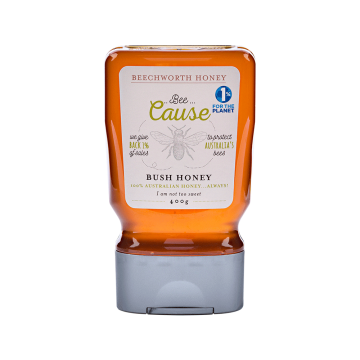

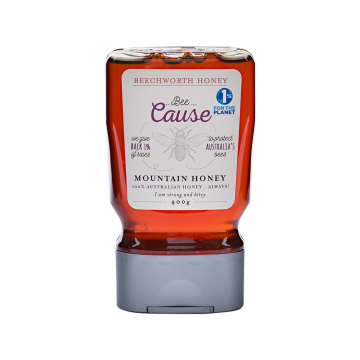
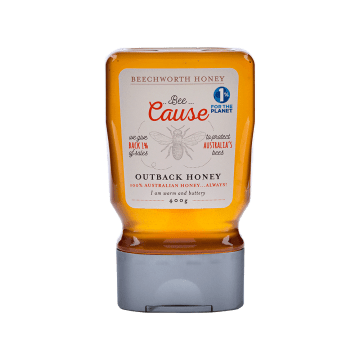
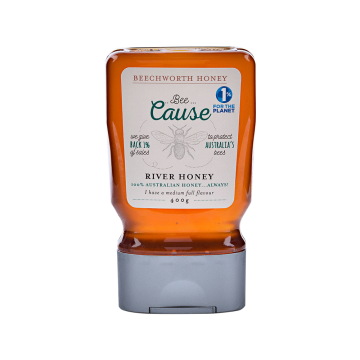
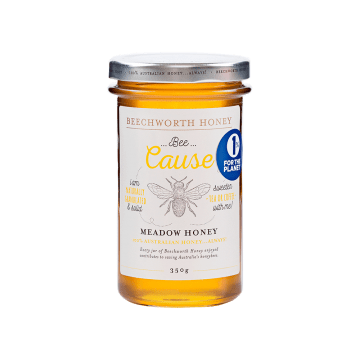
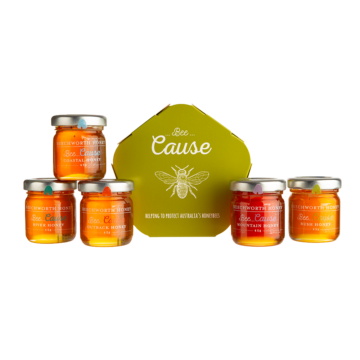
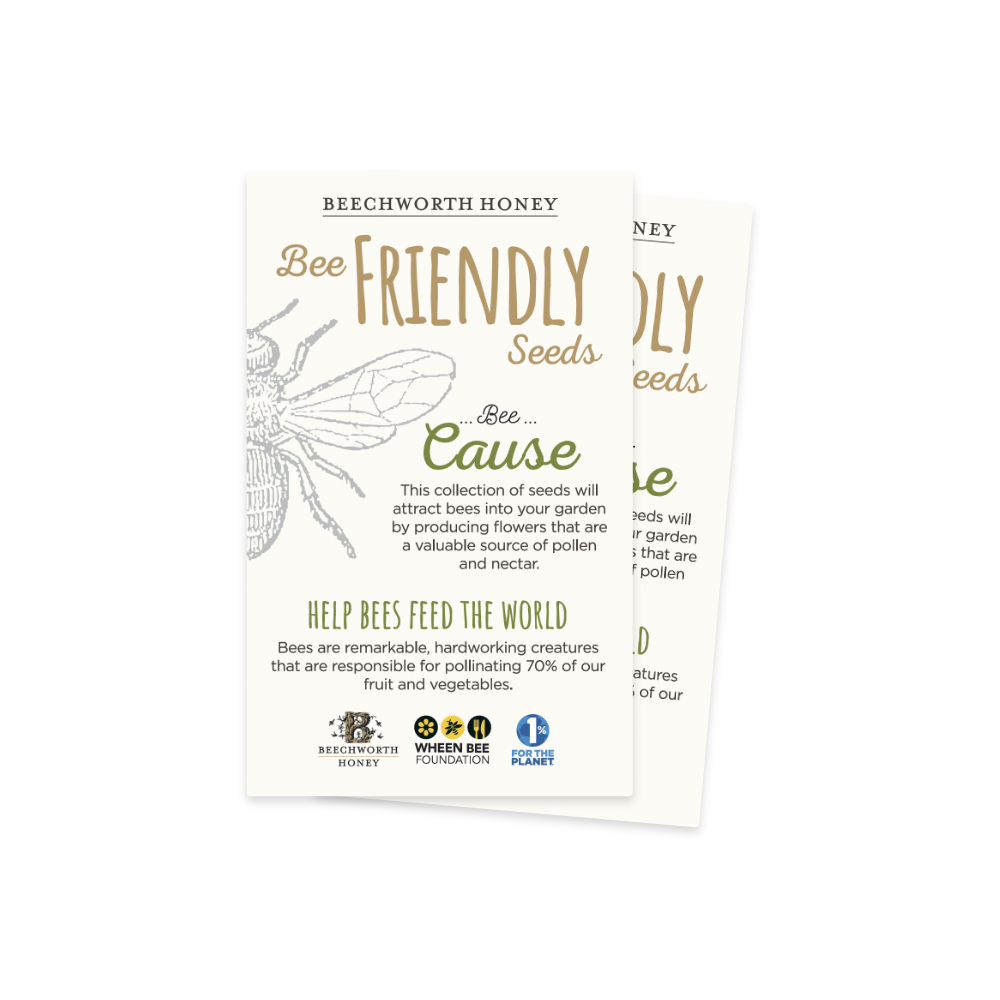
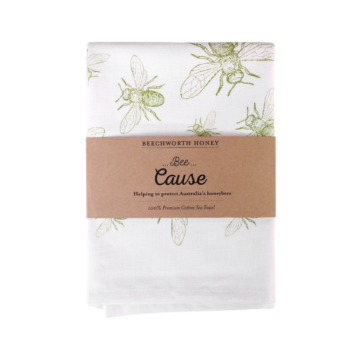
The Bee Cause range has raised funds to enable us to:
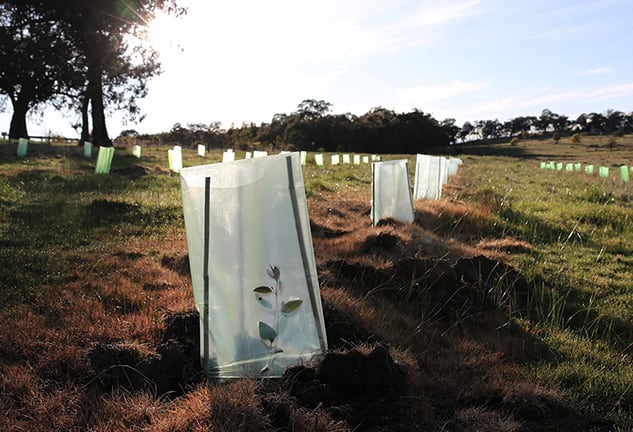
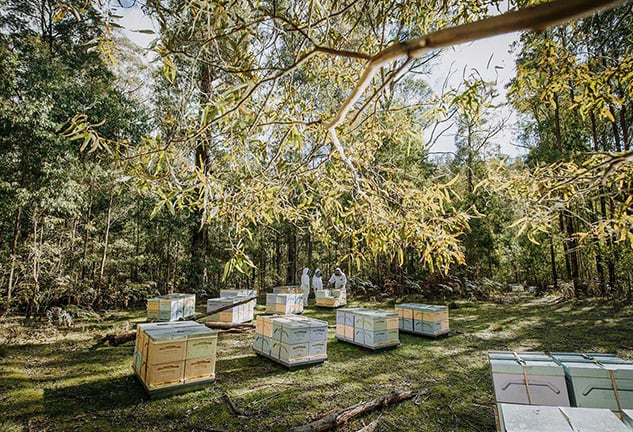
Bee Arboretum by Beechworth Honey
Plant thousands of bee habitat trees in our dedicated Bee Arboretum and across north east Victoria and southern NSW through our ongoing commitment to planting trees for bees.
Wheen Bee Foundation
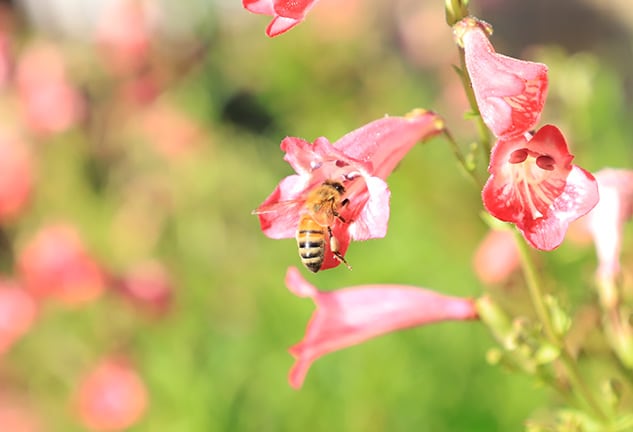
Donate to the crucial work of the Wheen Bee Foundation, a not-for-profit charity that promotes awareness of the importance of bees for food security, and raises funds for research that addresses the national and global threats to bees.
Bee Advocacy
Advocate for improved biosecurity and climate change action to protect bees and our environment through out support of 1% for the Planet.
Wheen Bee Foundation
The Wheen Bee Foundation is Australia’s only registered not-for-profit charity that promotes awareness of the importance of bees for food security, and raises funds for research that addresses the national and global threats to bees.
VISIT WHEEN BEEBeechworth Urban Landcare & Sustainability
BULS are a community driven, not for profit group under the auspice of Landcare Australia Inc, with a goal to create a supportive culture for understanding, inspiration, action and hope from which the wider Beechworth community can grow a sustainable future together.
VISIT BULSBees for Development
Bees for Development helps some of the world’s poorest people build resilient livelihoods through beekeeping. Bee Cause supports and helps fund Bees for Development.
VISIT BEES FOR DEVELOPMENT